Tree removal
Your tree considered. Your property in view.
Tree removal may be appropriate when a tree is dead, unstable, badly damaged, interfering with a project, or creating a risk that cannot reasonably be addressed another way. The right plan depends on the specific tree and job site.
An estimate should identify the proposed scope, access needs, surrounding property, wood and debris handling, stump options, scheduling, and pricing before work begins.
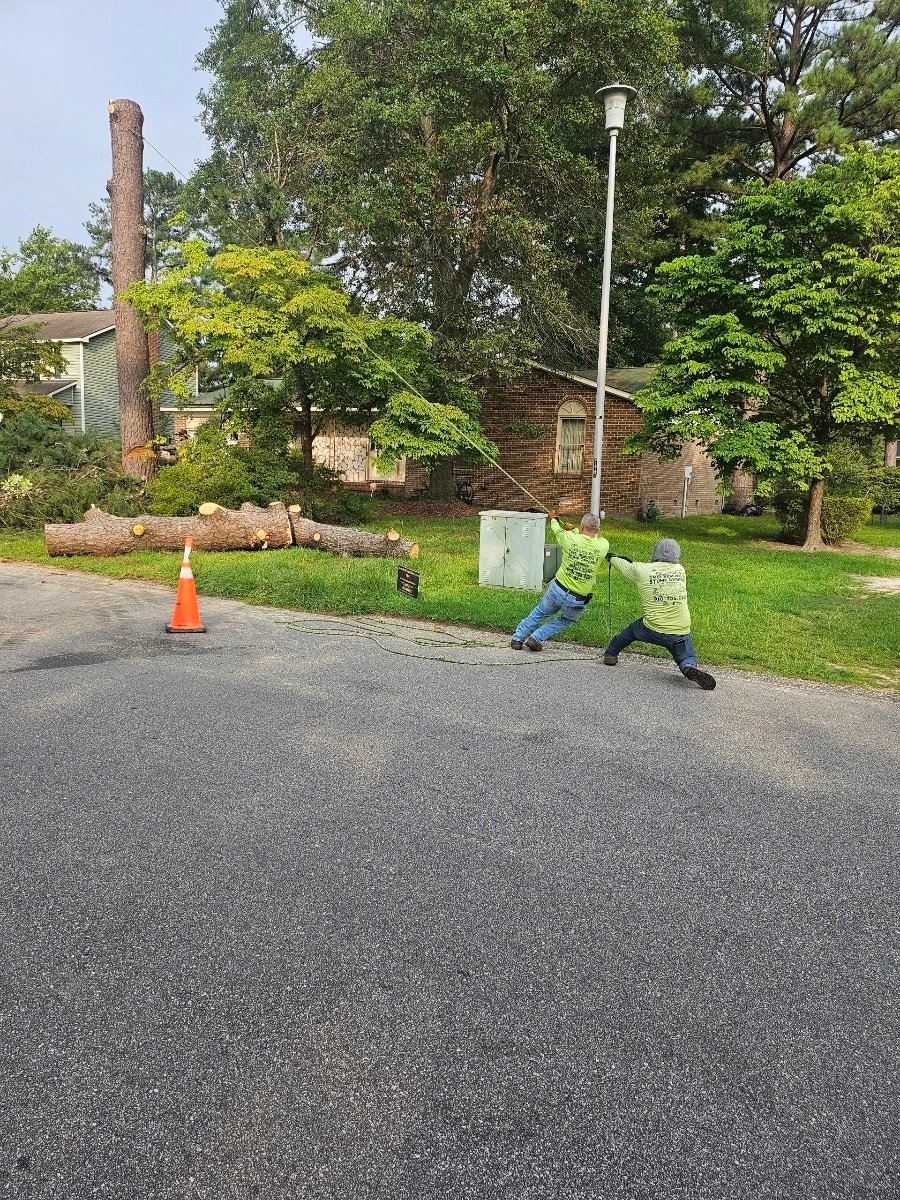
Know the warning signs
When might a tree need to be removed?
Not every concern requires removal. An appropriate assessment should distinguish removal from trimming, monitoring, or another tree-care option.
Dead or declining
Document canopy loss, brittle material, decay indicators, and changes over time.
Leaning or unstable
A changed lean, disturbed soil, or root movement can warrant prompt assessment.
Storm damaged
Split trunks, hanging material, and broken leaders change the risk picture.
Close to structures
Homes, drives, fences, streets, and utilities affect both risk and removal planning.
Disease or pests
Identification and tree condition help determine whether removal is appropriate.
Project conflict
Construction, access, grading, and future land use may change the desired outcome.
From canopy to site outcome
How a removal plan is built around the property
The right equipment and work method depend on the tree, available access, and surrounding property.
Assess the tree and site
Review condition, lean, targets, access, and what sits beneath the work area.
Define protection needs
Identify structures, landscaping, roads, utilities, and exclusion areas.
Select the removal method
Match the approach to the tree, the surroundings, the available access, and the project scope.
Handle trunk and material
Document how wood, brush, chips, and remaining stump work fit the scope.
Review the completed site
Confirm the agreed work area and remaining next steps before closeout.
Pricing starts with the site
What affects a tree-removal estimate?
Every tree and property is different. The estimate depends on the tree, access, surroundings, requested scope, and desired site outcome.
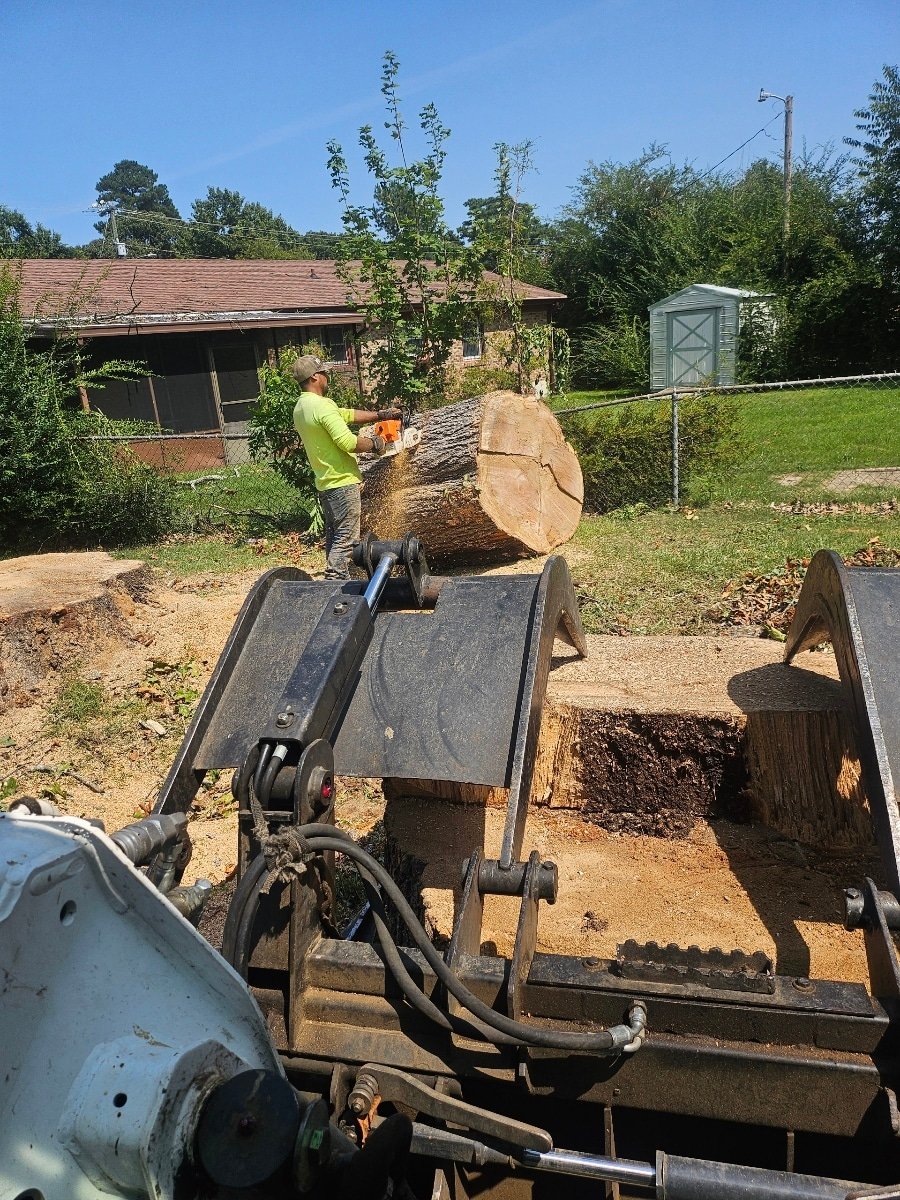
Common scope factors
- Tree size and condition — height, trunk dimensions, canopy, stability, and wood condition.
- Location and access — open access versus nearby buildings, fences, roads, or utilities.
- Work method — equipment, rigging, crew, protection, and access requirements.
- Material handling — wood, brush, chips, stump work, and requested site outcome.
The estimate should document the agreed scope and price before scheduling.
Plan the whole project
What to clarify before removal begins
The exact tree
Identify the tree, its condition, and the reason removal is being considered.
Access and surroundings
Review gates, drives, structures, landscaping, streets, fences, and utilities.
The removal scope
Clarify what is included, where material will move, and how the work area is defined.
Wood and brush
Discuss how logs, brush, and chips fit the requested final condition of the site.
The remaining stump
Decide whether the stump stays, is ground, or requires a different plan.
Explore by area
Tree-removal information for Sanford and Central NC
Choose a city page to review local tree-service information and property considerations.
Straight answers
Tree removal FAQs
When should urgent tree damage be assessed?
When a tree or limb has changed position, failed, or threatens people, structures, roads, or utilities, keep clear of the area and use the appropriate local emergency or utility channel where necessary.
Is stump work included with tree removal?
That depends on the agreed scope. Stump grinding or removal should be listed separately when it is part of the project.
What details help with an estimate?
Share photos when appropriate, the tree’s location, visible damage, access points, nearby structures, and the result you want for the property.
What happens to wood and brush?
Wood, brush, chips, and site cleanup should be defined in the estimate rather than assumed.
What affects scheduling?
Timing can depend on the tree’s condition, access, weather, project scope, and current availability.